
Professional Black Mould Removal Services in Newcastle NSW
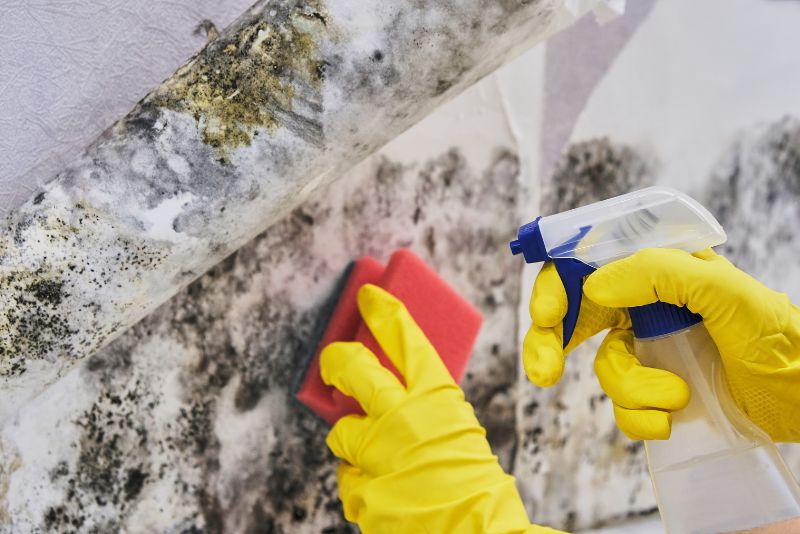
Black mould removal in Newcastle requires a specialist response — not a spray can, not a scrubbing brush, and not a general cleaner with a bottle of bleach.
- NATA-Accredited Testing
- Local Hunter Region Team
Get a Free Quote
What Is Black Mould and Why Is It Dangerous?
Black mould is the common term for Stachybotrys chartarum — a toxigenic mould species that produces mycotoxins as a byproduct of its growth cycle. Unlike common household mould species that cause cosmetic damage and mild irritation, Stachybotrys releases airborne toxic compounds that penetrate deep into the respiratory system with repeated exposure. It thrives in conditions of chronic moisture — areas where water has been present for extended periods, surfaces that have never fully dried out, and building cavities where condensation accumulates undetected.
What makes black mould particularly hazardous is that its mycotoxin output increases under stress — meaning that disturbing a colony without proper containment, as commonly happens during DIY removal attempts, can dramatically spike the concentration of airborne spores and toxins in your living environment. The health consequences of prolonged toxic mould exposure range from persistent respiratory irritation through to neurological symptoms and serious immune system compromise. That risk profile is why professional black mould removal — with full containment, specialist treatment, and post-removal air quality testing — is the only appropriate response.
How to Identify Black Mould in Your Newcastle Home
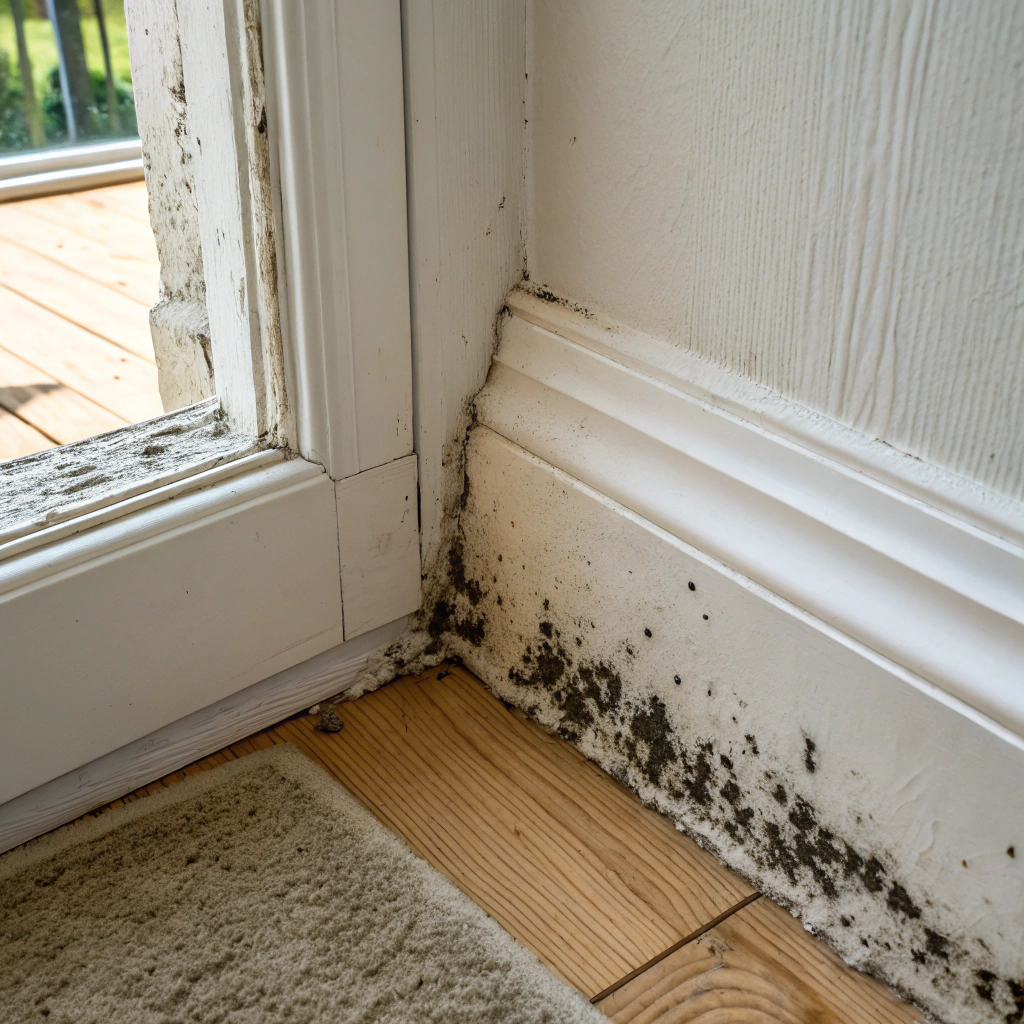
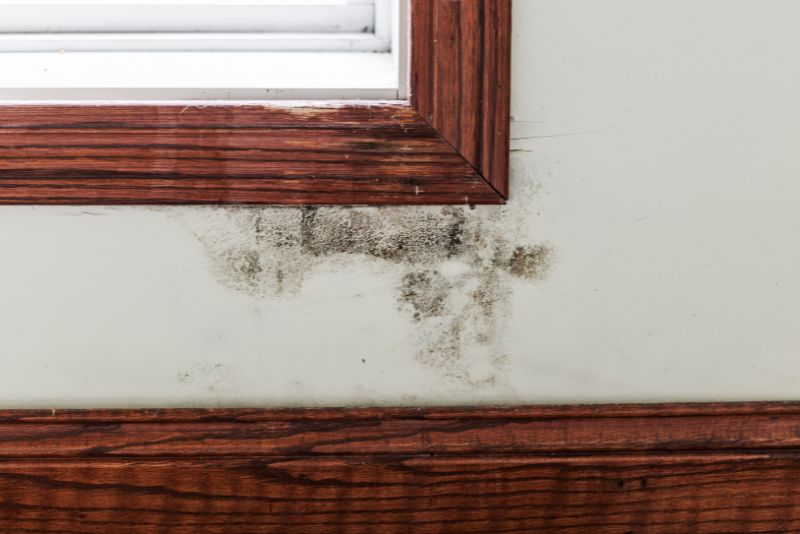
Black mould has several distinguishing characteristics that separate it from common mould species. Visually, Stachybotrys chartarum presents as a dark greenish-black colouration — appearing slimy and wet when actively growing in high-moisture conditions, and powdery or chalky when the moisture source has partially dried. It produces a strong, distinctly musty odour that typically intensifies in enclosed spaces and is often detectable before the mould colony becomes visible.
Read more
Typical black mould growth locations in Newcastle homes include bathroom ceilings and wall cavities, areas around leaking pipes and fixtures, under flooring where subfloor moisture has accumulated, inside roof cavities following storm water intrusion, and behind plasterboard walls adjacent to chronic condensation points. Newcastle's older housing stock — particularly pre-1980 homes with single-glazed windows, original bathroom fitouts, and no vapour barriers — creates ideal conditions for hidden colony development.
Visual identification alone is insufficient for confirming Stachybotrys. Professional air and surface testing is the only reliable method of species confirmation, and treatment should never begin without it.
Black Mould Testing and Species Identification in Newcastle
Professional mould testing is the critical first step before any removal work begins. Visual identification alone cannot confirm Stachybotrys chartarum — numerous dark-coloured mould species share similar visual characteristics, and applying the wrong treatment protocol wastes money while leaving the actual problem unresolved.
Our Newcastle mould testing service uses both air quality sampling and surface swab testing to accurately identify the mould species present in your property. Air sampling captures airborne spore concentrations throughout affected rooms, establishing baseline contamination levels and identifying whether mould growth in concealed areas — wall cavities, roof spaces, subfloors — is actively releasing spores into your living environment. Surface swab testing confirms the specific species on visible growth areas.
Results are analysed by an accredited laboratory, with findings documented in a formal mould inspection report. This report identifies the species present, contamination severity, and recommended treatment protocol — giving you a clear, evidence-based picture of exactly what you're dealing with before a single dollar is spent on remediation.
Black Mould Symptoms: Health Risks You Need to Know
Black mould exposure produces a distinct and progressive range of health symptoms that many Newcastle residents initially attribute to seasonal allergies or recurring colds. The connection to toxic mould often goes unrecognised for months — particularly when the mould colony is hidden inside a wall cavity or roof space rather than visibly present. Common symptoms associated with Stachybotrys exposure include:
- Persistent coughing and sneezing that worsen indoors and ease when away from the property
- Eye, nose, and throat irritation — redness, watering, and chronic congestion
- Skin irritation and rashes with no identifiable external cause
- Chronic fatigue and headaches that don't respond to standard treatment
- Respiratory tightness and shortness of breath, particularly in children
With prolonged high-level exposure, mycotoxin accumulation can progress to more serious neurological effects, including cognitive difficulty, memory impairment, and sustained immune system compromise. The correct response at any symptom stage is to limit exposure immediately — avoid the affected area, increase ventilation where safe to do so, and engage a certified black mould removal specialist rather than attempting DIY treatment that aerosolises spores and worsens indoor air quality.
CALL (02) 4072 2397 NOW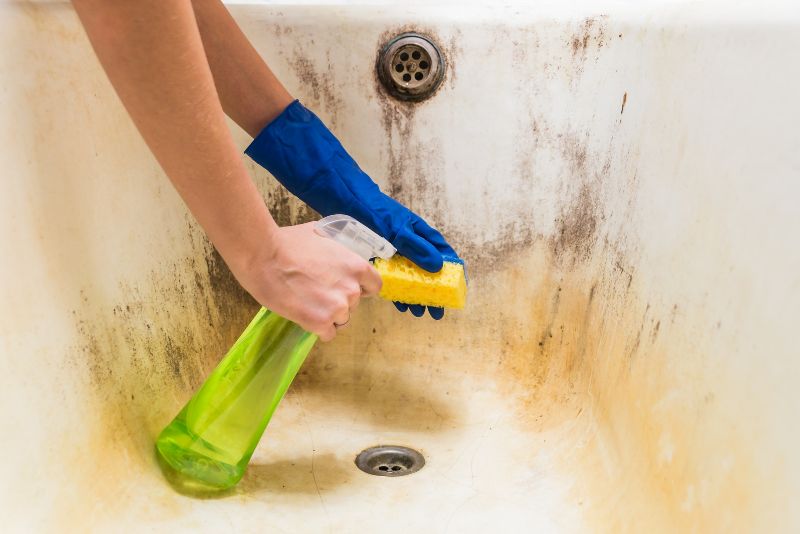
Post-Removal Air Quality Testing and Clearance Certification
Post-removal air quality testing is the final and non-negotiable step in every professional black mould removal job we complete in Newcastle. Once physical removal and antimicrobial treatment are finished, independent air sampling is conducted throughout the treated area to confirm that airborne spore concentrations have returned to safe threshold levels before containment is removed and the space is cleared for re-occupation.
This testing is conducted using the same accredited laboratory analysis as the initial inspection, producing a direct before-and-after comparison that objectively confirms remediation success. Results are compiled into a formal mould clearance certificate — a documented record of the treatment performed, the species identified, pre- and post-remediation spore counts, and confirmation that the property meets safe air quality standards. This documentation carries real practical value beyond peace of mind — it supports home insurance claims, satisfies disclosure obligations for property sales, provides landlords with evidence of compliant remediation, and gives tenants formal confirmation that their living environment is safe.
Full Containment Protocols for Toxic Mould Removal
Toxic mould removal without full containment is not remediation — it is redistribution. Disturbing a black mould colony without physical barriers and controlled airflow releases millions of airborne spores into the broader property, cross-contaminating rooms that were previously unaffected and dramatically worsening the indoor air quality problem. Every black mould removal job we complete in Newcastle operates under a strict containment protocol designed to prevent exactly that outcome.
The containment process involves physical barrier installation using heavy-duty sheeting to isolate the affected area from the rest of the property, combined with negative air pressure systems that continuously draw contaminated air out through HEPA filtration rather than allowing it to migrate. Our technicians work in full personal protective equipment — respirators, disposable suits, and gloves rated for toxigenic mould exposure. All surfaces within the containment zone are HEPA-vacuumed before treatment; antimicrobial and antifungal agents rated for Stachybotrys are applied; and all non-salvageable materials, including affected plasterboard and insulation, are removed and disposed of in sealed, compliant waste containment.
Our Black Mould Removal Process Explained
Step 1: Initial Inspection & Testing
Every job begins with professional air and surface testing to confirm the mould species present and establish baseline airborne spore concentrations. Our accredited laboratory analysis identifies whether Stachybotrys chartarum is present and maps the full extent of contamination — including hidden growth in wall cavities, subfloors, and roof spaces — before any physical work begins.
Step 2: Containment & Technician Preparation
Physical barrier installation isolates the affected area using heavy-duty sheeting and negative air pressure systems that draw contaminated air through HEPA filtration. Technicians suit up in full personal protective equipment — respirators rated for toxigenic mould exposure, disposable protective suits, and sealed gloves — before any contact with the black mould colony occurs.
Step 3: Treatment, Removal & Clearance
All surfaces are HEPA vacuumed and treated with specialist antimicrobial and antifungal agents rated for Stachybotrys. Non-salvageable materials, including affected plasterboard and insulation are removed and sealed in compliant waste containment. Independent post-removal air quality testing confirms safe spore thresholds, followed by formal mould clearance certification.
Emergency Black Mould Removal in Newcastle: When to Act Fast
Most black mould situations allow time for scheduled assessment and planned remediation. Some do not. Certain conditions demand emergency black mould removal — immediate professional intervention where every hour of delay increases health risk, structural damage, and the cost and complexity of the remediation work ahead.
Contact us for same-day emergency response if any of the following apply to your property:
- Visible black mould growth covering a large surface area — walls, ceilings, or flooring — particularly in sleeping areas or rooms used by children
- Recent flooding or storm water intrusion where building materials have remained wet for 24 hours or more
- Occupants experiencing acute health symptoms — respiratory distress, severe headaches, or persistent nausea with no other identified cause
- Black mould is identified inside an HVAC or air conditioning system actively circulating air through the property.
- Mould growth was detected in a rental property where the landlord has failed to act despite formal notification
Our Newcastle team is available for emergency black mould assessments with rapid response deployment across the greater Newcastle region.
CALL (02) 4072 2397 NOW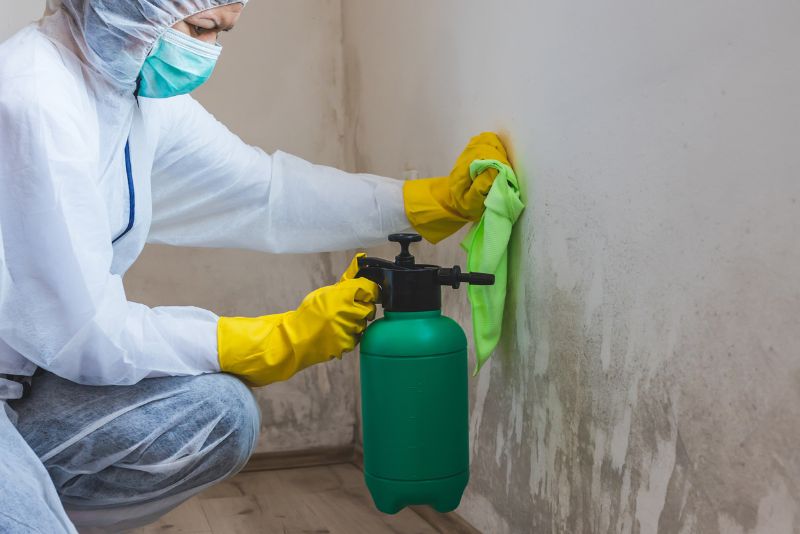
Frequently Asked Questions: Black Mould Removal Newcastle
What is black mould and how is it different from regular mould?
Black mould refers to Stachybotrys chartarum, a toxigenic species that produces mycotoxins linked to serious health effects. Unlike common mould species, it requires specialist containment and treatment protocols — not standard cleaning products.
How do I know if the mould in my home is black mould?
Visual identification alone cannot confirm Stachybotrys chartarum. Professional air and surface testing analysed by an accredited laboratory is the only reliable method of species confirmation before any treatment or removal work begins.
s black mould dangerous to my family's health?
Yes. Prolonged black mould exposure is linked to persistent respiratory symptoms, chronic fatigue, headaches, skin irritation, and in severe cases neurological effects. Infants, elderly occupants, and those with asthma or compromised immune systems face the highest risk.
Can I remove black mould myself?
DIY removal of black mould without full containment aerosolises spores throughout your property, dramatically worsening air quality. Professional removal with negative air pressure containment, specialist treatment, and post-removal testing is the only safe approach.
How do black mould removal specialists contain the affected area?
Technicians install physical barrier sheeting to isolate the zone and activate negative air pressure systems drawing contaminated air through HEPA filtration. Full PPE including respirators and disposable suits is worn before any contact with the colony occurs.
Will black mould come back after professional removal?
Professional remediation eliminates the existing colony. Recurrence depends on whether the underlying moisture source — leaking pipes, subfloor dampness, condensation buildup — has been identified and resolved. Without addressing the cause, any mould species can return.
Certified Black Mould Removal in Newcastle — Book Your Assessment Today
Black mould is not a problem that improves with time. Every day without professional intervention is another day your family is breathing compromised air. Our certified black mould removal technicians are Newcastle-based, fully equipped for toxic mould containment and remediation, and available for same-day assessment when the situation demands it.
Read more
Every job includes professional species identification, full containment protocols, specialist antimicrobial treatment, and post-removal air quality testing with formal clearance certification. No shortcuts. No surface-only fixes. No unverified claims about results.
If you've found black mould in your Newcastle property — or you can smell it but can't locate it — contact our team today. Same-day assessments available. Protect your family. Book now.
Your Local Mould Removal Company in Newcastle